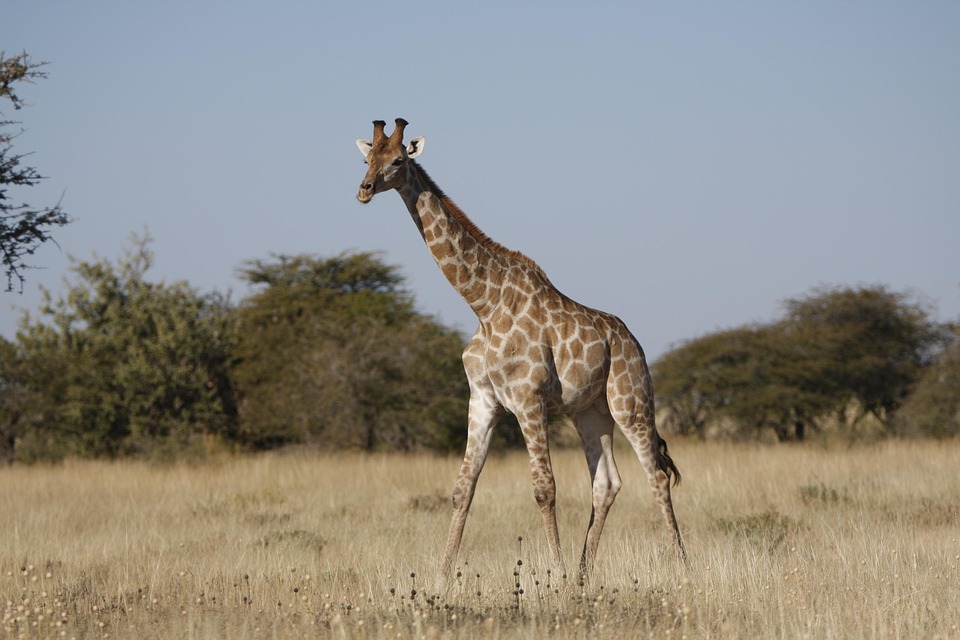
Shoot like a Pro: Tips and Tricks for Capturing Stunning National Park Photos
The great outdoors has a way of inspiring us to capture its beauty and majesty through photography. National parks, with their breathtaking landscapes, diverse wildlife, and unique geological features, offer endless opportunities for photographers to snap stunning images. Whether you’re a seasoned pro or an amateur enthusiast, shooting in national parks requires a combination of technical skills, creativity, and knowledge of the terrain. In this article, we’ll share some valuable tips and tricks to help you capture professional-grade photos in these incredible natural wonders.
Pre-Trip Planning
Before you head out to the national park, do your research. Study the park’s geography, climate, and wildlife patterns to determine the best locations, times, and conditions for photography. Check the park’s website, guidebooks, and social media for insights on popular photography spots, sunrise and sunset times, and any specific regulations or restrictions. This planning phase will help you maximize your time and increase your chances of capturing exceptional images.
Equipment Essentials
While it’s true that the best camera is the one you have with you, having the right equipment can make a significant difference in the quality of your photos. Here are some essentials to consider:
- A DSLR or mirrorless camera with manual controls
- A wide-angle lens (between 10-24mm) for landscapes and vistas
- A telephoto lens (between 70-200mm) for wildlife and distant scenery
- A tripod for stabilizing your camera, especially in low light conditions
- A polarizing filter to reduce glare and enhance colors
- Extra batteries, memory cards, and a portable charger
Mastering Lighting
Lighting is a crucial element in photography, and national parks offer a range of lighting conditions to work with. Here are some tips for capturing stunning images in different lighting situations:
- Golden Hour: The hour just before sunrise and after sunset is known as the golden hour, when the light is soft, warm, and golden. This is an ideal time to capture landscapes, wildlife, and portraits.
- Overcast Skies: On cloudy days, the soft, diffused light can be perfect for capturing detailed images of textures, patterns, and close-ups.
- Backlight: Shooting with the sun behind your subject can create stunning silhouettes, enhance textures, and add depth to your images.
Composition and Creativity
Good composition is essential for creating visually appealing images. Here are some tips to help you add creativity to your national park photos:
- Rule of Thirds: Divide your image into thirds both horizontally and vertically, and place interesting features along these lines.
- Leading Lines: Look for leading lines, such as roads, trails, shorelines, or rock formations, to guide the viewer’s eye through the image.
- Framing: Use natural features like arches, trees, or rock formations to frame your subject and add depth to the image.
- Reflections: Capture reflections in lakes, rivers, or ponds to add symmetry and interest to your images.
Wildlife Photography Tips
National parks are home to a diverse range of wildlife, from majestic mammals to colorful birds and insects. Here are some tips for capturing stunning wildlife images:
- Be Patient: Wildlife photography requires patience and persistence. Take your time to observe and wait for the perfect shot.
- Know Your Subject: Research the behavior, habitat, and patterns of the wildlife you’re photographing to anticipate and capture interesting moments.
- Respect Distance: Keep a safe distance from your subject to avoid disturbing them and to ensure your safety.
- Use the Right Lens: A telephoto lens is essential for wildlife photography, as it allows you to capture intimate moments without disturbing the animal.
Post-Processing and Editing
Once you’ve captured your images, it’s time to enhance and refine them through post-processing and editing. Here are some tips to get you started:
- Shoot in RAW: Shooting in RAW format gives you more flexibility when editing your images, as it captures more data than JPEG files.
- Use Image Editing Software: Familiarize yourself with image editing software like Adobe Lightroom, Photoshop, or Skylum Luminar to enhance and refine your images.
- Adjust White Balance: Adjust the white balance to match the lighting conditions of the scene, and to enhance the colors and mood of the image.
- Add Contrast and Clarity: Adjust the contrast and clarity to add depth and dimension to your images.
Conclusion
Capturing stunning national park photos requires a combination of technical skills, creativity, and knowledge of the terrain. By following these tips and tricks, you’ll be well on your way to shooting like a pro and capturing images that showcase the beauty and majesty of these incredible natural wonders. Remember to always respect the park’s rules and regulations, and to practice safe and responsible photography practices. Happy shooting!