National Park Photography Gear: Capturing the Perfect Shot in the Great Outdoors
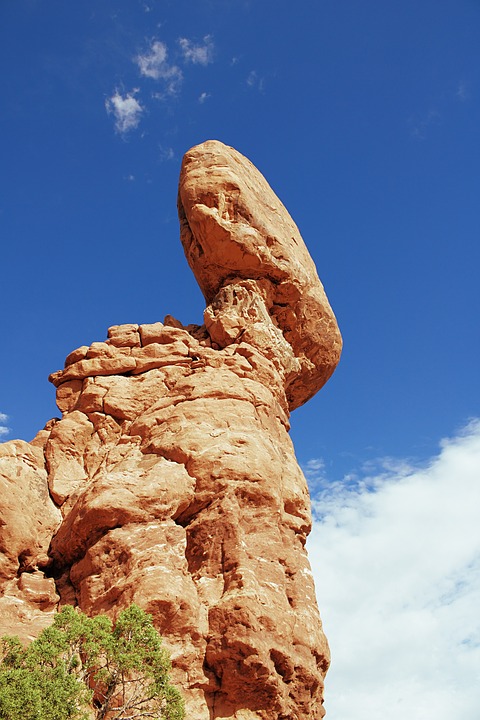
The great outdoors has a way of inspiring us, and what better way to capture its beauty than through photography? National parks, with their breathtaking landscapes, diverse wildlife, and unique geological formations, offer a paradise for photographers. However, to do justice to these natural wonders, you need the right gear. In this article, we’ll explore the essential photography equipment for capturing stunning images in national parks.
Camera Body and Lens
A good camera body is the foundation of any photography kit. For national park photography, a DSLR or mirrorless camera with excellent image quality, autofocus, and weather sealing is ideal. Consider a camera with a full-frame sensor, which offers better low-light performance and shallower depth of field.
When it comes to lenses, a versatile zoom lens (e.g., 24-70mm or 24-105mm) is perfect for capturing sweeping landscapes. A telephoto lens (e.g., 70-200mm or 100-400mm) is also essential for wildlife photography, allowing you to get up close and personal with your subjects without disturbing them. If you’re looking to capture the grandeur of national parks, a wide-angle lens (e.g., 14-24mm) is a must-have.
Tripod and Stabilization
A sturdy tripod is crucial for national park photography, as it allows you to stabilize your camera in windy or low-light conditions. Look for a tripod with a robust build, adjustable legs, and a smooth panhead. A ballhead or gimbal head can also be useful for tracking moving subjects, such as wildlife or clouds.
In addition to a tripod, consider investing in a camera stabilizer, such as a handheld gimbal or a monopod. These tools can help you capture smooth, blur-free images in situations where a tripod is not practical.
Filters and Accessories
Filters can enhance your images and protect your lenses. A polarizing filter can reduce glare, enhance colors, and improve contrast. A neutral density (ND) filter can help you achieve longer exposure times, creating silky water effects or blurring clouds. A graduated ND filter can balance the exposure between sky and land, preventing blown-out highlights.
Other essential accessories include a remote shutter release or camera timer, extra batteries, and memory cards. A camera bag or backpack can help you carry your gear comfortably and protect it from the elements.
Specialized Gear for Specific Shots
Depending on the type of shot you’re after, you may need specialized gear. For example:
- Astronomy photography: A telescope or a telephoto lens with a focal length of 200mm or more can help you capture stunning astrophotography images.
- Wildlife photography: A telephoto lens with a focal length of 200mm or more, a camera with excellent autofocus, and a hide or blind can help you get up close and personal with wildlife.
- Time-lapse photography: A camera with built-in interval shooting or a dedicated time-lapse camera can help you capture stunning time-lapse sequences.
- Underwater photography: A waterproof camera or housing can allow you to capture images of aquatic life in national parks with lakes, rivers, or oceans.
Tips for Capturing the Perfect Shot
With the right gear, you’re ready to start capturing stunning images in national parks. Here are some tips to help you get the perfect shot:
- Scout your location: Research the park, its trails, and its scenic viewpoints to plan your shoot.
- Shoot during the golden hour: The hour just before sunset and after sunrise offers soft, warm light that can add depth and dimension to your images.
- Be patient: Wait for the right light, composition, and subject to come together.
- Respect the environment: Follow park rules, stay on trails, and avoid disturbing wildlife to minimize your impact on the environment.
Conclusion
National park photography requires a combination of technical skills, creativity, and the right gear. With a solid understanding of your camera equipment and the tips outlined in this article, you’ll be well on your way to capturing stunning images in the great outdoors. Remember to always respect the environment, follow park rules, and enjoy the beauty of nature that surrounds you. Happy shooting!