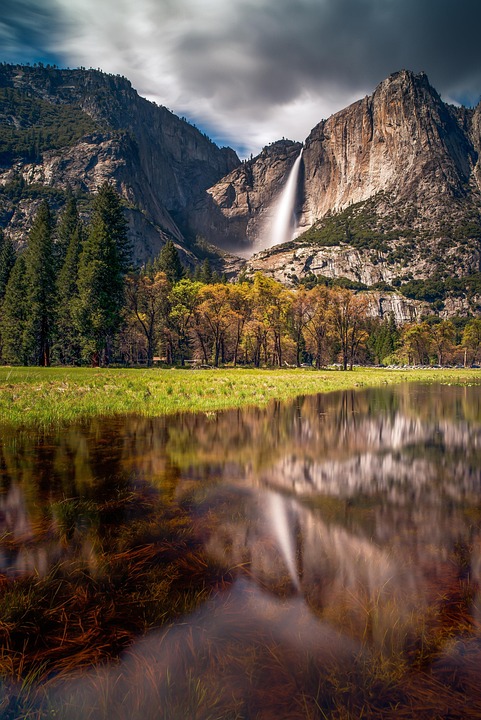
Nature’s Nirvana: Finding Solitude on the Pristine Hiking Trails of Olympic National Park
Tucked away in the northwestern corner of the United States, Olympic National Park is a nature lover’s paradise. This vast and diverse wilderness area, located on the Olympic Peninsula in Washington State, is home to some of the most pristine and awe-inspiring hiking trails in the country. For those seeking solitude and a deep connection with the natural world, Olympic National Park is the ultimate destination.
With over 70 miles of coastline, 3,000 miles of rivers and streams, and more than 650,000 acres of old-growth forest, Olympic National Park is a haven for hikers, backpackers, and outdoor enthusiasts. The park’s unique geography, which ranges from glacier-capped mountains to temperate rainforests, supports an incredible array of plant and animal life. From the majestic elk and black bears to the diminutive wildflowers and towering spruce trees, every step on the park’s trails reveals a new wonder, a new marvel of nature’s ingenuity.
For those seeking solitude, Olympic National Park’s hiking trails offer a chance to escape the crowds and find peace in the stillness of the wilderness. The park’s most popular trails, such as the Hurricane Ridge and the Quinault Rainforest Nature Trail, are certainly worth exploring, but it’s the lesser-known trails that offer the greatest rewards. The High Divide Loop, the Graves Creek Trail, and the Spruce Nature Trail are just a few examples of the many trails that wind through the park’s untouched wilderness, offering hikers a chance to experience the raw beauty of nature unencumbered by human presence.
One of the most striking aspects of Olympic National Park’s hiking trails is the diversity of landscapes and ecosystems that they traverse. From the sun-drenched meadows and wildflower-filled hillsides of the park’s alpine regions to the misty, mystical rainforests of the Quinault and Hoh River valleys, each trail offers a unique perspective on the natural world. The park’s rugged coastline, with its windswept beaches and rocky tidepools, is another world altogether, where the sound of the surf and the cry of the gulls create a symphony of sound that is both haunting and beautiful.
In addition to its natural beauty, Olympic National Park is also steeped in history and culture. The park is home to over 650 archaeological sites, including ancient fishing villages and ceremonial sites, which provide a glimpse into the lives of the Native American tribes that have inhabited the region for thousands of years. The park’s scenic vistas and tranquil landscapes have also inspired countless artists, writers, and musicians, who have come to the park seeking inspiration and solace.
For those seeking a more immersive experience, Olympic National Park offers a range of accommodation options, from backcountry campsites and rustic lodges to luxury resorts and eco-lodges. The park’s visitor centers and ranger stations provide a wealth of information on the park’s trails, wildlife, and ecosystems, as well as guided tours and educational programs for visitors of all ages.
In a world that is increasingly fast-paced and technology-driven, Olympic National Park’s pristine hiking trails offer a rare and precious opportunity to slow down, unplug, and reconnect with the natural world. Whether you’re a seasoned hiker or just starting out, the park’s trails have something to offer everyone: solitude, beauty, adventure, and a deep sense of connection to the land and its inhabitants. So why not lace up your hiking boots, grab your backpack, and set out into the wilderness of Olympic National Park? Nature’s nirvana awaits.
Tips and Essentials
- Best Time to Visit: The best time to visit Olympic National Park is from June to September, when the weather is warm and dry. However, the park’s trails are open year-round, and the spring and fall seasons offer a more peaceful and serene experience.
- Trail Difficulty: Olympic National Park’s trails range from easy day hikes to multi-day backpacking trips. Be sure to check the park’s website and consult with park rangers before embarking on a hike.
- Accommodation: The park offers a range of accommodation options, from backcountry campsites to luxury resorts. Be sure to book in advance, especially during peak season.
- Safety: Always carry plenty of water, food, and sunscreen, and be prepared for changing weather conditions. Let someone know your itinerary and expected return time, and carry a map and compass or GPS device.
- Responsible Hiking: Be sure to follow all park regulations and guidelines, and practice responsible hiking by staying on designated trails, respecting wildlife, and packing out all trash and waste.