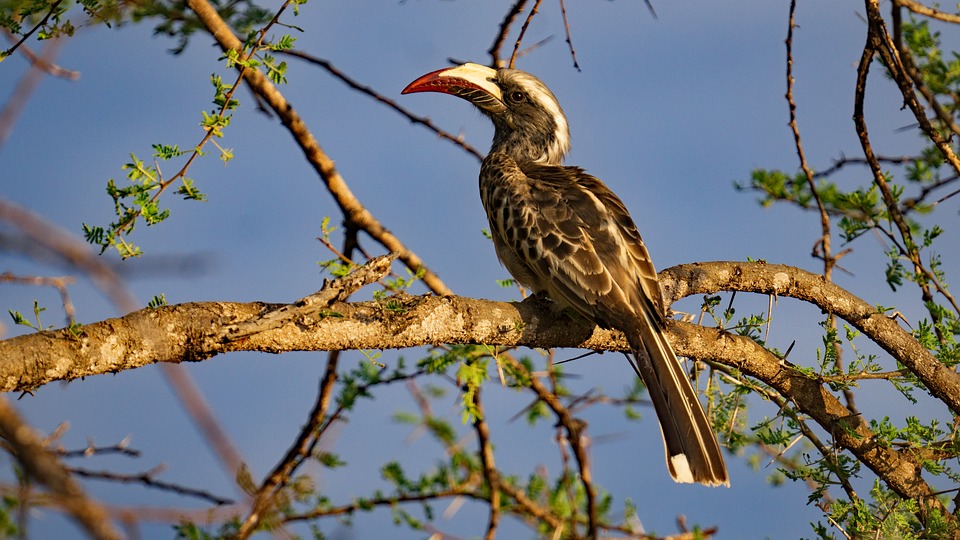
Flocking to the Future: Conservation Efforts Pay Off for Birds in Acadia National Park
Located on the rugged coast of Maine, Acadia National Park is a haven for bird enthusiasts and conservationists alike. The park’s diverse landscape, comprising of forests, wetlands, and coastal areas, provides a unique habitat for a wide range of avian species. For decades, conservation efforts have been underway to protect and preserve the park’s bird population, and the results are nothing short of remarkable.
A History of Conservation
In the early 20th century, Acadia National Park was facing numerous threats to its bird population, including habitat destruction, pollution, and hunting. In response, the National Park Service (NPS) and various conservation organizations launched a series of initiatives aimed at protecting and restoring the park’s ecosystems. These efforts included the creation of protected areas, restoration of habitats, and implementation of sustainable land-use practices.
One of the key conservation initiatives in Acadia National Park has been the protection of breeding habitats for seabirds. The park is home to several colonies of puffins, ospreys, and gulls, which were facing significant threats from human disturbance and habitat degradation. To address this, the NPS and conservation partners established protected areas around breeding colonies, restricting human access and implementing measures to reduce disturbance.
Success Stories
The conservation efforts in Acadia National Park have yielded impressive results. According to data from the NPS, the park’s bird population has shown significant increases in recent years. The puffin population, for example, has grown from just a few dozen breeding pairs in the 1980s to over 1,000 pairs today. Similarly, the osprey population has increased from just a handful of breeding pairs in the 1970s to over 100 pairs currently.
The park’s conservation efforts have also benefited other bird species, including the endangered piping plover. Thanks to protective measures, such as restricted access to breeding areas and control of invasive species, the piping plover population in Acadia National Park has shown significant gains. In 2020, a record 23 breeding pairs were recorded in the park, a remarkable increase from just 5 pairs in 2000.
Innovative Conservation Methods
In addition to traditional conservation methods, Acadia National Park has also employed innovative techniques to protect its bird population. One example is the use of artificial nesting platforms for ospreys. These platforms provide a safe and stable breeding site for ospreys, which are known to nest on top of utility poles and other human-made structures. By providing alternative nesting sites, the park has reduced the risk of osprey electrocution and enhanced the overall health of the population.
The park has also utilized cutting-edge technology, such as camera traps and acoustic monitoring, to track and study bird populations. These tools have enabled conservationists to gather valuable data on bird behavior, habitat use, and population trends, informing more effective conservation strategies.
Community Engagement and Education
A critical component of the conservation efforts in Acadia National Park has been community engagement and education. The park has worked closely with local residents, visitors, and stakeholders to raise awareness about the importance of bird conservation and the simple actions individuals can take to support these efforts. Through programs such as bird-watching tours, educational workshops, and volunteer opportunities, the park has fostered a sense of ownership and stewardship among the community, inspiring people to take action and make a positive impact on the environment.
Looking to the Future
As Acadia National Park continues to thrive as a haven for birds, conservationists are looking to the future, acknowledging the ongoing challenges and opportunities that lie ahead. Climate change, for example, poses a significant threat to the park’s bird population, with rising temperatures and altered ecosystems potentially disrupting delicate balances. To address this, the park is exploring innovative strategies, such as assisted migration and climate-smart conservation planning, to help bird populations adapt to a changing environment.
In conclusion, the conservation efforts in Acadia National Park demonstrate the power of collaborative action and dedicated stewardship in protecting and preserving our natural heritage. As we look to the future, it is essential that we continue to support and build upon these efforts, ensuring that the park’s bird population remains healthy, resilient, and thriving for generations to come. By flocking to the future together, we can safeguard the long-term health of our planet’s precious bird species and the ecosystems they inhabit.