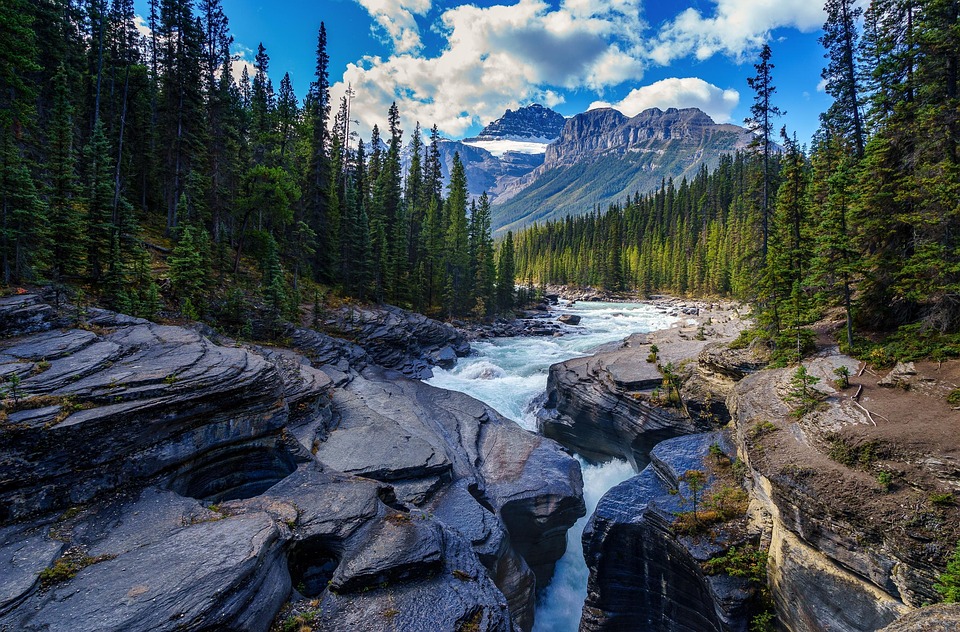
Peak Experience: How to Plan the Ultimate Backpacking Trip in Yellowstone
Yellowstone National Park, America’s first national park, is a backpacker’s paradise. With its geothermal wonders, diverse wildlife, and breathtaking landscapes, Yellowstone offers an unparalleled wilderness experience. However, planning the ultimate backpacking trip in Yellowstone requires careful consideration of several factors, including permits, trails, weather, and safety. In this article, we will guide you through the process of planning an epic backpacking adventure in Yellowstone.
When to Go
The best time to backpack in Yellowstone is from July to September, when the weather is warm and dry. However, this is also the peak tourist season, and popular trails can be crowded. If you prefer a more solitude-filled experience, consider visiting in the spring (May-June) or fall (September-October). Keep in mind that some trails may be closed due to snow or maintenance during these periods.
Choosing Your Trail
Yellowstone offers over 1,000 miles of hiking trails, ranging from easy day hikes to multi-day backpacking trips. Some of the most popular backpacking routes include:
- The Bechler River Trail: A 27-mile trail that takes you through a lush river valley and into the heart of Yellowstone’s backcountry.
- The Thorofare Trail: A 32-mile trail that leads to the remotest area of the park, offering stunning views of Yellowstone Lake and surrounding mountains.
- The Skyline Trail: A 27-mile trail that takes you through a variety of landscapes, including forests, meadows, and mountain ridges.
Permits and Regulations
To backpack in Yellowstone, you will need to obtain a permit from the park’s backcountry office. You can apply for a permit online or in person, and it’s recommended that you do so well in advance, as popular trails can fill up quickly. Additionally, be aware of the following regulations:
- Bear country: Yellowstone is home to grizzly bears and black bears. Make sure to carry bear spray and follow proper food storage procedures.
- Campfire restrictions: Campfires are only allowed in designated campsites, and you must obtain a campfire permit.
- Food and trash: All food and trash must be stored in bear-proof containers or hung from a tree at least 10 feet off the ground and 4 feet out from the trunk.
Packing and Preparation
To ensure a safe and enjoyable trip, make sure to pack the following essentials:
- Backpack: A comfortable, sturdy backpack with multiple compartments and pockets.
- Tent: A waterproof, two-person tent with a floor area of at least 20 square feet.
- Sleeping bag: A warm, insulated sleeping bag rated to at least 20°F (-7°C).
- Clothing: Pack layers of breathable, moisture-wicking clothing, including a base layer, insulating layer, and waterproof jacket.
- First aid kit: A basic first aid kit should include items such as bandages, antiseptic wipes, pain relievers, and any personal medications.
- Navigation tools: Bring a map, compass, and GPS device or app to ensure you stay on track.
- Food and water: Pack enough non-perishable food for the duration of your trip, as well as a water filter or purification tablets.
Safety Considerations
Backpacking in Yellowstone can be hazardous, especially in areas with steep terrain, fast-moving rivers, and wildlife. Make sure to:
- Check the weather: Always check the weather forecast before heading out, and be prepared for sudden changes in weather.
- Stay on trail: To avoid getting lost, stay on designated trails and avoid taking unnecessary risks.
- Be aware of your surroundings: Pay attention to your environment, including potential hazards such as wildlife, steep drop-offs, and fast-moving water.
- Bring a buddy: Whenever possible, hike with a partner or group, and make sure someone knows your itinerary and expected return time.
Conclusion
Planning the ultimate backpacking trip in Yellowstone requires careful consideration of several factors, including permits, trails, weather, and safety. By following the guidelines outlined in this article, you can ensure a safe and enjoyable experience in one of America’s most beautiful national parks. Remember to always be prepared, respect the park’s regulations and wildlife, and take in the breathtaking scenery that Yellowstone has to offer. Happy trails!